- Water shortages, closure of Afghan borders force Pakistani farmers to increase cultivation of pomegranates
- Prices of pomegranates surge in Pakistan this year as Afghan border closure triggers shortage of the fruit
PISHIN, Balochistan: Rahim ud Din inspected the large-sized, ruby-red pomegranates at his orchard in southwestern Pakistan, where roughly 10 years ago there used to be apple trees.
Pakistan’s Balochsitan province has frequently suffered from heatwaves, droughts and water shortages. Din, 42, was forced to convert his apple orchard in Balochistan’s Pishin district into a pomegranate one in 2016 after depleting water levels left him no choice.
He brought pomegranate plants from Kandahar province in Afghanistan, a country known for producing excellent quality of the fruit. Din is satisfied now that he can produce four varieties of pomegranate, including one widely known locally as “Kandahari Anaar” or “pomegranate from Kandahar.”
“Pomegranates are no longer an exclusive fruit of Kandahar,” Din told Arab News. “In Pishin we are producing pomegranates that are excellent in quality and can compete with those grown in Afghanistan.”
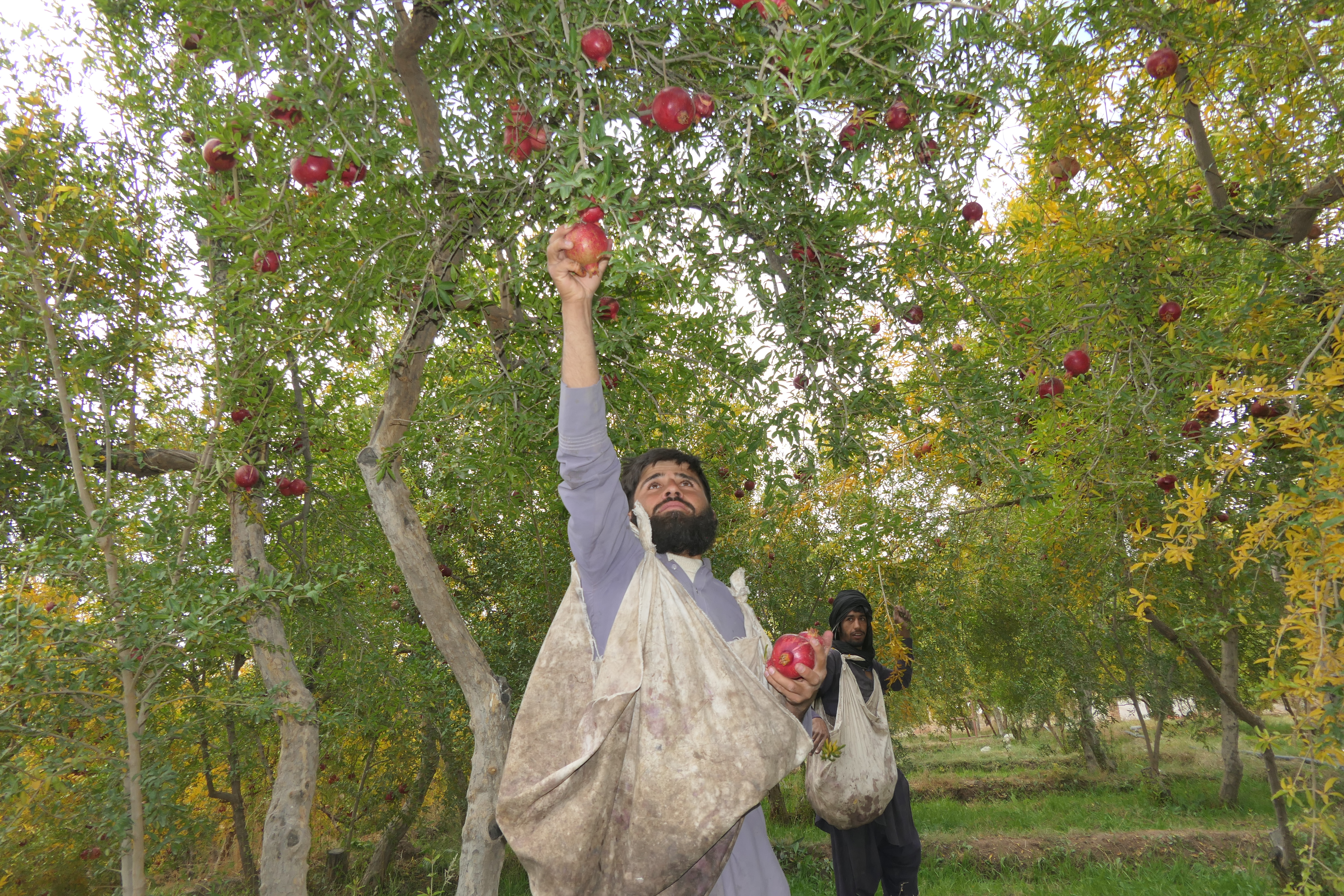
Din’s orchard is located in a village named Killi Tor Shah, which is located around 20 kilometers from Pishin city. The farmer says the climate here is similar to Kandahar, allowing him to grow pomegranates of similar quality to the ones that are cultivated there.
“If someone places pomegranates from Kandahar and Pishin on the same plate, it would be difficult to tell which one came from where because they have almost identical color, size and taste,” he said.
POMEGRANATE SHORTAGE
Pakistan was a major importer of pomegranates from Afghanistan until this year. According to the Pakistan Bureau of Statistics (PBS)’s annual import report for 2024, Pakistan imported pomegranates from Afghanistan worth more than $18 million.
However, tensions and clashes this year between the two neighbors prompted them to close their border for trade and movement of people. The trade of fruits, vegetables and other commodities declined.
Pakistan has closed all its border crossings and suspended an estimated $2 billion bilateral trade with Afghanistan for over a year now. Islamabad accuses Kabul of sheltering militant groups who launch attacks on Pakistani law enforcers and citizens. Kabul denies the charges.
Pakistan’s commerce ministry informed a standing committee of the parliament earlier this month that the country’s exports to Afghanistan have declined by around $1 billion, as trade with Kabul remains suspended since 2025.
The commerce secretary informed the committee that Pakistan had incurred an estimated $387 million in trade losses from July to October this year due to trade suspension linked with regional conflicts, border closures and rising transportation costs.
Hajji Jalat Khan Achakzai, an importer of pomegranates from Afghanistan, said the suspension of trade is not only a loss for the ordinary consumers of the fruit, but also for importers, clearing agents and transporters involved in the business of the seasonal fruit.
Pomegranates start arriving in fruit markets around the country from mid-October to mid-December.
“When the trade with Afghanistan was going on, approximately 250 trucks carrying Afghani pomegranates used to cross through the Chaman border regularly,” Achakzai, who is the former president of the Chaman Chamber of Commerce, told Arab News.
Achakzai said Afghanistan produces pomegranates in “substantial quantity,” adding that production in Balochistan is not even sufficient to meet the demands of a province, let alone the entire country.
He called on Islamabad and Kabul to resolve their disputes so that trade can resume between both sides.
Achakzai rejected claims by Pakistani farmers about the quality of the local pomegranates, stressing that they were not match for the ones cultivated in Kandahar.
‘NOT GOOD FOR TRADE’
Prices of high quality pomegranates have doubled as the Afghan border remains closed, and fruit traders depend on local production.
In Quetta, the capital of Balochistan, one kilogram of high quality pomegranate is being sold for Rs900 ($3), whereas it was sold for Rs400 ($1.44) last year.
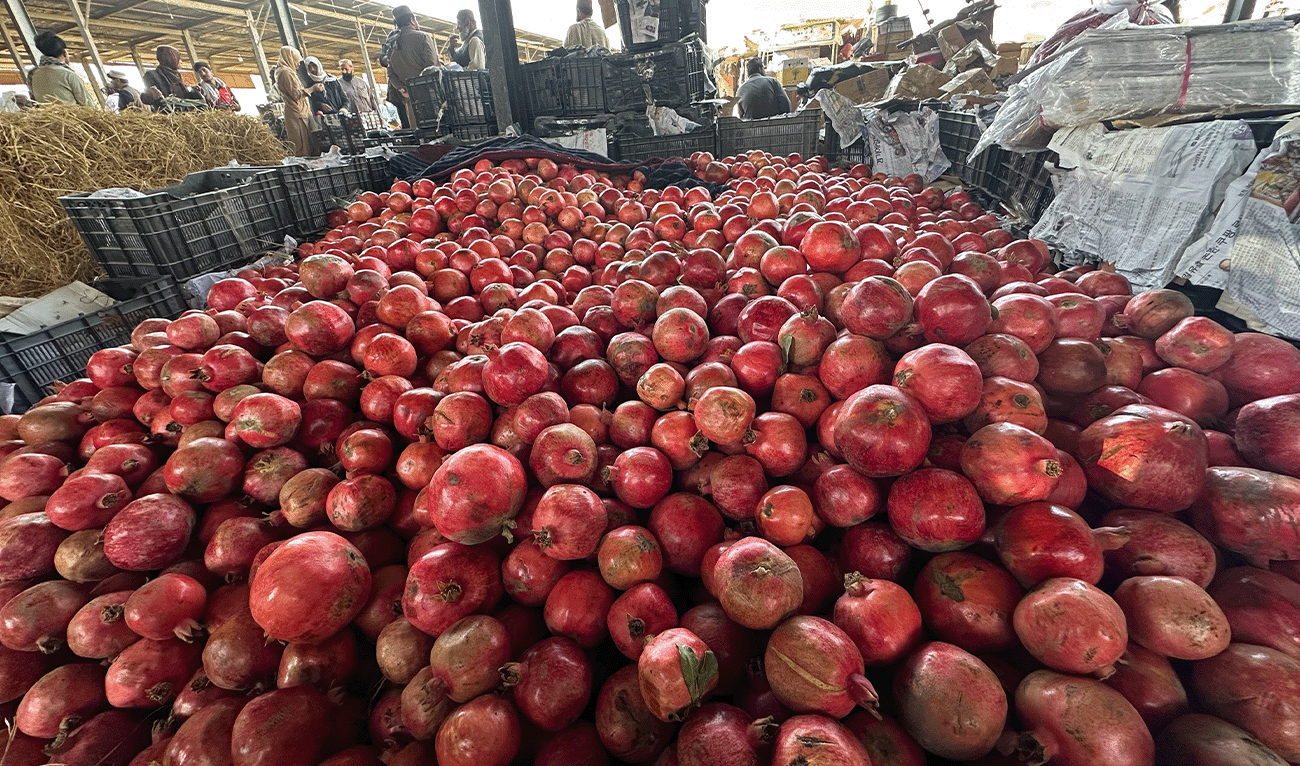
Bashir Khan, a local pomegranate trader at Quetta’s Hazar Ganji fruit market, has been receiving most of his supply from the Pishin and Killa Abdullah districts.
He said in 2025, a crate of large pomegranates weighing 10kg fetched Rs4000 ($14). This year, the prices have more than doubled and reached Rs10,000 ($36) per crate.
“Previously, a substantial quantity came from Afghanistan, which helped keep prices relatively low and meet the demand,” Khan explained.
Waheed Ahmed, patron-in-chief of the Pakistan Fruit and Vegetable Association and member of Prime Minister’s export board, said the country was not exporting pomegranates as they were being sold locally.
“The closure of the Afghan border has created an opportunity for local pomegranate growers in Balochistan,” he said.
“However, closing the border is not good for trade as many of our other agricultural products used to be exported to Afghanistan, from where they were transported onwards to Central Asian countries,” he added.
Back at his farm, Din advises other farmers to grow pomegranate rather than grapes or apples in water-starved Balochistan.
“Although the income would be relatively modest, farmers can remain financially more secure,” he said. “Because rainfall helps pomegranate trees flourish and improves their growth.”