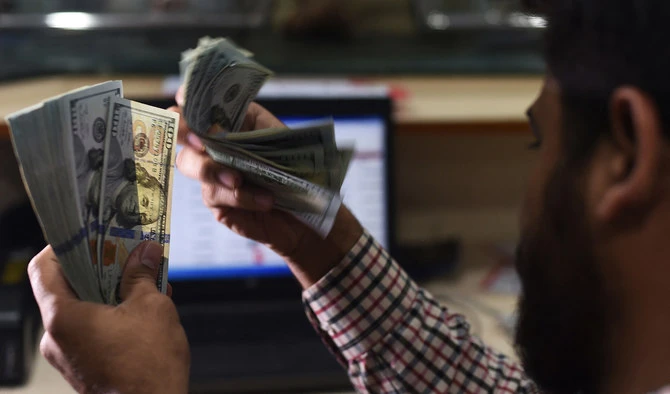
- Confidence among foreign firms fell 55 percentage points, a steeper drop than among businesses overall
- Pakistan raised its policy rate to 12 percent in October as Middle East conflict worsened inflation outlook
KARACHI: Confidence among foreign companies operating in Pakistan turned negative in a survey released Tuesday, as the US-Iran war added to energy costs and businesses cited inflation and high taxes as their biggest threats to growth.
The Overseas Investors Chamber of Commerce and Industry (OICCI) said its confidence index for member companies fell 55 percentage points to minus 27 percent in September and October. Overall business confidence fell 36 points to minus 23 percent. The reversal put established foreign companies, historically more upbeat in the chamber’s surveys, below the wider business community.
The decline comes as Pakistan seeks to attract private capital while implementing an International Monetary Fund program. The central bank raised its policy rate by half a percentage point to 12 percent in October, saying the Middle East conflict was keeping global energy prices high and worsening the inflation outlook. IMF staff reached a preliminary agreement that month that could unlock about $1.2 billion in financing.
“These are established foreign investors with a long-term presence in Pakistan, and historically their confidence levels have remained higher than those of the wider business community. The fact that this has now reversed warrants serious attention,” OICCI Secretary General M. Abdul Aleem said in the statement.
Net foreign direct investment had risen to about $720 million in the July–September quarter from $600 million a year earlier, central bank data showed. The chamber’s survey, which ran through October, pointed to weaker expectations for future spending. Its measure of capital investment expectations fell to minus 14 percent from positive 2 percent, while the employment outlook also turned negative.
The chamber said 84 percent of respondents cited rising inflation as a threat to growth and 81 percent cited high taxes. Annual consumer inflation eased to 9.6 percent in October from 10.3 percent in September and remained above the central bank’s target range of 5 to 7 percent.
Only 23 percent of businesses surveyed expected conditions to improve over the next six months, down from 47 percent in the May survey. The share expecting conditions to worsen rose to 44 percent from 34 percent.