- Tehran says trade continues after closures disrupted cargo movements and cooking-gas supplies
- Restrictions on Iran and Afghanistan routes have increased pressure on Pakistani traders and exporters
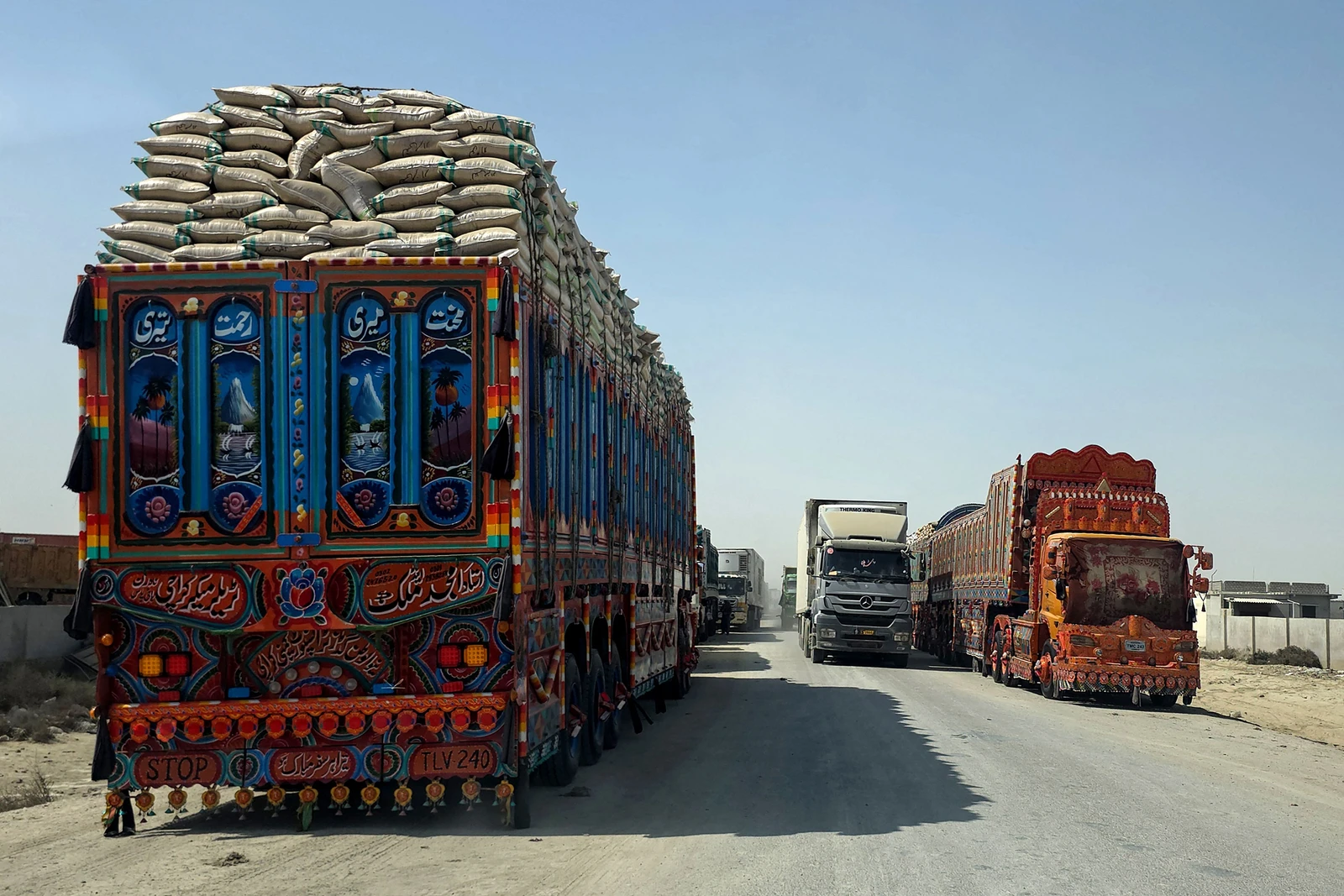
ISLAMABAD: Iran said on Tuesday its border with Pakistan was open and trade was continuing, following restrictions that stranded thousands of trucks and disrupted fuel supplies, although traders have reported only a partial resumption.
Pakistan suspended commercial traffic through the Gabd-Rimdan and Taftan crossings on October 17, citing security and anti-smuggling measures. The routes carry agricultural exports to Iran and supplies of liquefied petroleum gas, used for cooking and heating, into Pakistan.
Limited traffic subsequently resumed, but business representatives told AFP on Monday that restrictions remained and thousands of vehicles were waiting on both sides. An open crossing does not necessarily mean all cargo categories or newly documented shipments can move.
“The Iran-Pakistan border is open, and trade exchanges continue,” government spokeswoman Fatemeh MoHajjerani said, according to Iranian state news agency IRNA.
There was no immediate public confirmation from Pakistan that unrestricted commercial traffic had resumed at both crossings.
Mir Naveed Jan Kalmati, president of the Gwadar Chamber of Commerce, told AFP on Monday that the frontier was only partially open, estimating that 3,000–4,000 trucks were waiting on the Iranian side and 2,000–3,000 on the Pakistani side.
Other business representatives told the agency that only vehicles with documents prepared before October 16 were being allowed across. Those accounts predated MoHajjerani’s statement.
Iran’s ambassador to Pakistan, Reza Amiri Moghadam, said on Sunday that there were no restrictions on the Iranian side, including on LPG exports. He attributed the disruption to changes in Pakistan’s import documentation procedures.
Pakistan’s Foreign Office said on Friday the country complied with applicable international sanctions regimes when questioned about whether US pressure had prompted the restrictions. It did not explicitly link the closures to sanctions, and its spokesperson said he lacked direct knowledge of conditions at the crossings.
The disruption affects a trading relationship worth approximately $2.8 billion in the 2023–24 fiscal year, including about $684 million in Pakistani exports, according to the Federation of Pakistan Chambers of Commerce and Industry. Those figures measure annual trade, rather than losses caused by the current restrictions.
Fuel traders have warned of a particular impact on households as winter approaches. The Pakistan LPG Association told Reuters last week that the country imported around 7,000 metric tons of LPG daily from Iran, with the border closures interrupting supplies and driving up prices.
The Iran border disruptions come alongside Pakistan’s diplomatic engagement with Tehran. Army chief Field Marshal Asim Munir joined Saudi and Turkish officials in the Iranian capital on Monday for talks on regional security, after which the four countries agreed to continue their dialogue.
AFGHAN TRADE ALSO DISRUPTED
Pakistan’s major commercial crossings with Afghanistan have also remained closed to normal trade since fighting between the two neighbors in October 2025, adding to pressure on businesses dependent on overland routes.
Islamabad has demanded credible assurances that Afghan territory will not be used for militant attacks against Pakistan. Afghanistan’s Taliban authorities deny allowing such attacks.
In January, business leaders told Arab News that the Afghan border shutdown was costing Pakistani exporters an estimated Rs50 billion ($177 million) a month.