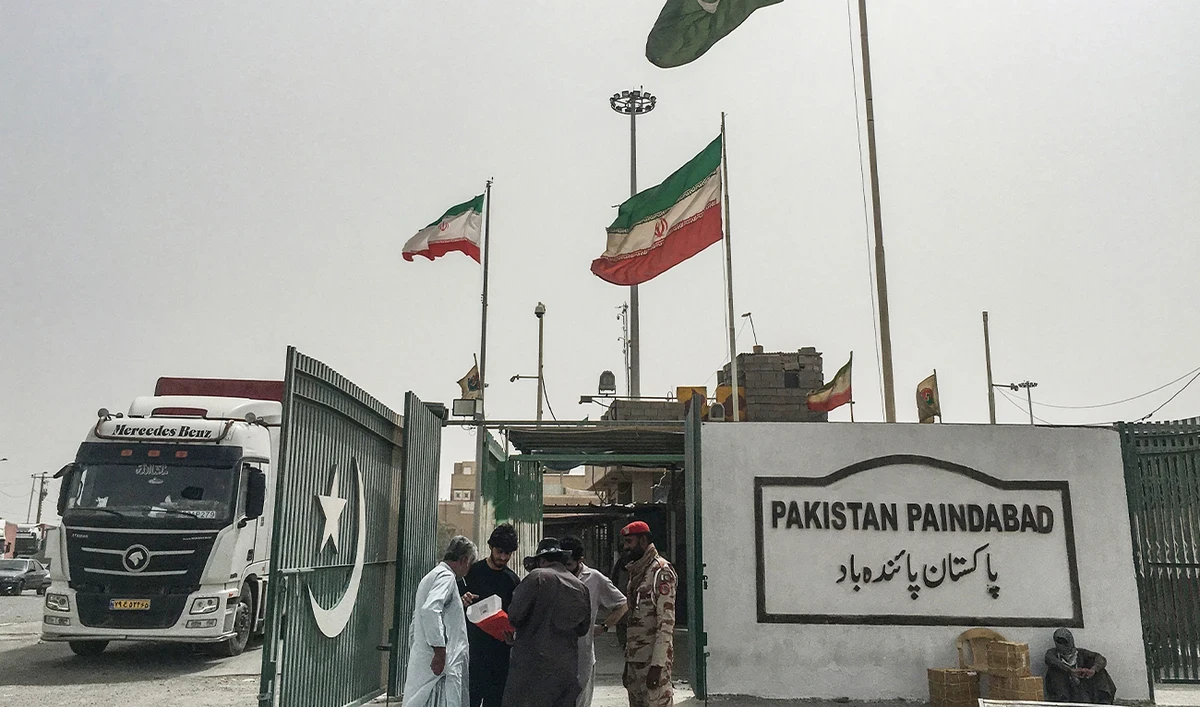
- Iraq closed Al-Sheeb border crossing with Iran last week to review security, curb smuggling
- Pakistan’s religion ministry urges pilgrims to enter Iraq through Baghdad, Najaf airports
PESHAWAR: Pakistan’s religious affairs ministry on Friday directed pilgrimage organizers, also known as Ziarat Group Organizers (ZGOs), to not send Pakistani pilgrims to Iraq via the Al-Sheeb border crossing in Iran, days after Baghdad closed the key route to review security measures and curb smuggling.
Iraq closed the busy Al-Sheeb border crossing with Iran last week to review security and install detection equipment to stop the smuggling of prohibited materials, an Iraqi border official said on Oct. 21. The crossing has remained closed to passengers, vehicles and commercial trucks since then.
Thousands of Pakistani pilgrims, known as Zaireen, travel between religious sites in Iran and Iraq every year. Both countries are major destinations for Pakistani Shia pilgrims, who visit religious shrines in both countries at various times of the year.
In a press release, the Pakistani religion ministry said Al-Sheeb is the only authorized land border crossing for Pakistani pilgrims traveling to Iraq through Iran. It said due to the closure, Pakistani pilgrims cannot use any alternative land crossing without authorization from Iraqi authorities. It added that at present, pilgrims can enter Iraq through Baghdad and Najaf international airports.
“All ZGOs are, therefore, directed not to dispatch Pakistani Zaireen toward the Al-Sheeb border crossing until its reopening is officially confirmed or an alternative land route is formally authorized by the Iraqi authorities,” the press release said.
“All intending pilgrims are advised to verify the latest travel arrangements with their respective ZGOs before commencing their journey and to avoid travel through the closed crossing.”
The ministry urged pilgrimage organizers to ensure strict compliance with the directives and promptly communicate them to their registered pilgrims to prevent inconvenience, stranding of passengers and associated logistical difficulties.
The border closure takes place amid regional tensions owing to the US-Iran conflict, which has persisted since February when the US and Israel carried out joint strikes against Iran.
Tensions have spread throughout the region, with renewed fighting between coalition forces in Yemen and the Iran-backed Houthi rebels. The Houthis have launched attacks against civilian infrastructure in Saudi Arabia in recent weeks, killing dozens and injuring hundreds.
Iraq ordered the closure of another crossing with Iran, Shalamcheh, in September as a precaution after drone attacks on Saudi Arabia, two security sources said at the time. Riyadh said the drones had been launched from Iraq.