- Thar coalfield has one of the world’s largest lignite reserves and is a cornerstone of Pakistan’s efforts to reduce reliance on imported fuels
- Power for mining operations, which costs 33 cents per kilowatt-hour when generated from diesel, will drop to 13 cents, Power Division says
ISLAMABAD: Pakistan has formally begun work to shift coal mining operations in the Thar desert to the national electricity grid, the Power Division said on Wednesday, a move that is expected to save up to $30 million annually by replacing diesel-powered mining with cheaper grid electricity.
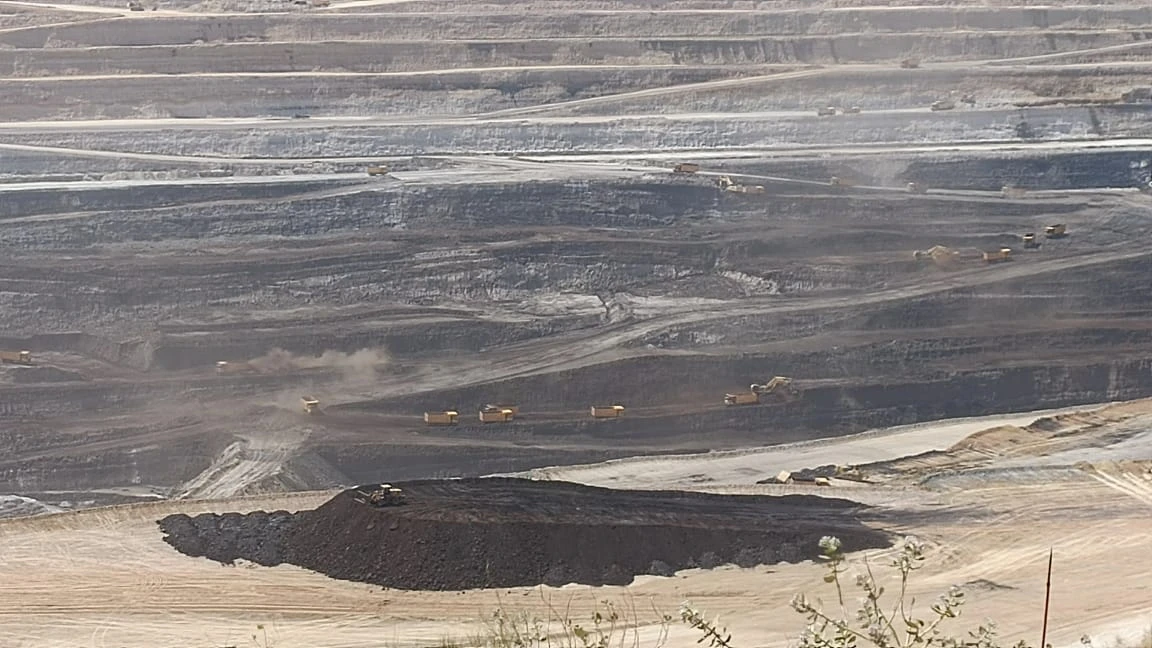
Located in the southeastern Sindh province, the Thar coalfield has one of the world’s largest lignite reserves and is a cornerstone of Pakistan’s efforts to reduce reliance on imported fuels and strengthen energy security.
Several coal-fired power plants in the country rely on Thar coal, while Islamabad has increasingly sought to expand the use of domestic energy resources to ease pressure on its foreign exchange reserves and to lower power generation costs.
The Power Division has started connecting mining operations in both blocks of Thar coalfields to the grid through a 132kV transmission infrastructure from the Islamkot Grid Station to supply around 60 megawatts of electricity to mining sites.
“The cost of coal production— and consequently the coal tariff — is expected to fall by about $0.70 per ton, lowering the overall power purchase basket cost,” it said, adding that the move is projected to save diesel worth around Rs25 million ($90,460) daily.
“Power for mining operations, which costs around 33 cents per kilowatt-hour when generated from diesel, will drop to 13 cents, a reduction of over 60 percent.”
Thar coal is a key component of the China-Pakistan Economic Corridor and central to Pakistan’s energy security.
Mining currently burns between 200,000 and 250,000 liters of diesel a day, including about 35,000 liters for dewatering alone. Much of that will now be replaced by cheaper electricity, according to the Power Division.
The contract to shift Thar coal mining to national grid has been awarded and the contractor has mobilized at the site, bringing forward the project’s completion to April 2028.
The reform will also deliver a cleaner future.
“Carbon emissions are expected to fall by about 80,000 tons a year, and diesel-powered mining vehicles will be progressively converted to electric systems, supporting long-term decarbonization goals,” it said, adding that both blocks were actively pursuing electric vehicle (EV) deployment.