- Pakistan slashes petrol price by $0.01 per liter, hikes diesel by $0.0081 per liter, says Petroleum Division notification
- Oil slump followed meeting between officials of Iran, Türkiye, Saudi Arabia, Pakistan in Tehran on Monday to ease tensions
ISLAMABAD: Pakistan’s government decreased the price of petrol by Rs3.19 ($0.01) per liter this week after global oil prices fell about 1 percent, as renewed prospects for a resolution of the US-Israeli war on Iran kept supply fears at bay with regional powers such as Pakistan, Saudi Arabia, Türkiye and Iran holding talks to ease tensions in Tehran.
Brent crude futures were down $1, or 0.86 percent, at $114.81 a barrel by 07:18 a.m. Saudi time on Tuesday, while US West Texas Intermediate crude was down 88 cents, or 0.86 percent, at $100.88. Both fell 1 percent early in the session. The oil slump occurred after Pakistani, Turkish, Irani and Saudi officials met in Tehran. The four sides agreed to continue talks with a view to strengthening cooperation in peace and security, Iranian state media said.
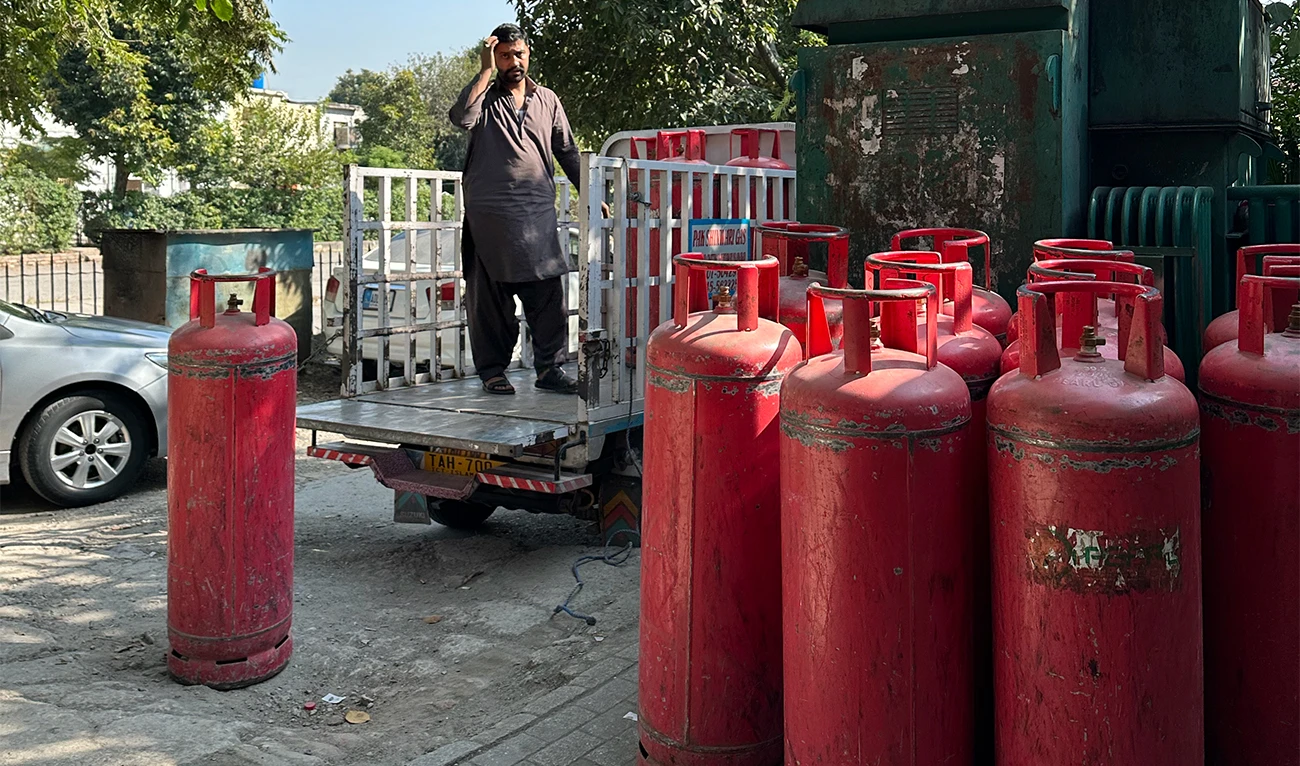
Pakistan’s Petroleum Division announced via a notification on Tuesday that the price of petrol will be sold for Rs376.06 [$1.36] per liter, while high-speed diesel will cost Rs398.07 [$1.44 per liter]. While the price of petrol was decreased by Rs3.19 per liter, the price of diesel was hiked by Rs2.25 [$0.0081].
“Based on petroleum pricing mechanism, issued by federal government, the Oil and Gas Regulatory Authority (OGRA) has revised the ex-depot prices of the petroleum products for 28th October, 2026,” the notification said.
Last week, Brent prices surged to more than $117 a barrel, the highest since April, after a wave of Iranian attacks on tankers around the Strait of Hormuz maritime trade route. Brent prices touched $117 on Monday as well.
Pakistan relies heavily on imported energy, making its economy vulnerable to higher international prices and disruption to shipping through the Strait of Hormuz. Diesel costs affect freight and farming, while petrol prices weigh directly on household transport budgets.
The government switched to daily fuel-price reviews in July amid volatility linked to the conflict. Prices are calculated using a seven-day average of international rates.
Rising petrol prices have angered the masses, with the right-wing Jamaat-e-Islami party announcing it will launch a protest movement against taxes levied on petroleum products.
Pakistan’s government approved a Rs75 billion ($271 million) fuel subsidy scheme in September to cushion lower-income motorists from the fuel price hike. Officials said earlier this month that more than nine million people were benefiting from the program.